Understanding Protein: The Importance of Animal Sources
Protein is a fundamental macronutrient essential for numerous bodily functions, including tissue repair, immune response, and hormone production. When it comes to dietary sources of protein, animal-based proteins offer unique advantages that are critical for optimal health. One of the primary benefits of animal protein is its high bioavailability, which refers to the body’s ability to effectively utilize the nutrients found within these foods.
Animal proteins are known to contain complete proteins, meaning they provide all nine essential amino acids needed by the body. These amino acids cannot be produced by the human body and must be obtained through diet. While plant proteins also contribute to overall protein intake, many are considered incomplete, often lacking one or more essential amino acids. This makes animal sources, such as meat, dairy, and eggs, particularly valuable for individuals aiming to meet their protein requirements efficiently.
Furthermore, the digestibility of animal protein generally surpasses that of plant-based counterparts. Studies have shown that animal proteins are broken down more easily during digestion, allowing for better absorption by the body. This is especially significant for those requiring higher protein intake, such as athletes and individuals recovering from surgery or illness. The carnivore community, which advocates for a diet primarily centered on animal products, often cites these benefits, emphasizing the role that animal protein plays in promoting overall health and performance.
Notably, Dr. Paul Saladino, a prominent figure in nutritional science, emphasizes the superiority of animal-derived proteins. He argues that they are not only nutritionally complete but also provide additional health benefits, including improved mental clarity and sustained energy levels. As research continues to explore the complex interplay of various protein sources, it is evident that animal protein holds an essential place in a balanced diet, supporting not only growth and development but also maintaining long-term health.
Protein Needs Across Different Life Stages
Protein is an essential macronutrient that plays a critical role in various bodily functions, including muscle development, immune response, and hormonal regulation. The amount of animal protein required varies significantly by age, sex, and activity level. Understanding these unique protein needs is crucial for maintaining optimal health.
For adult males, the Recommended Dietary Allowance (RDA) for protein is approximately 56 grams per day. This amount is designed for sedentary individuals; however, those who engage in regular physical activity or strength training may require up to 1.6 to 2.2 grams of protein per kilogram of body weight per day to support muscle recovery and growth. Males involved in intense athletic training will find their protein needs greater due to the demands of their rigorous routines.
Adult females have an RDA of about 46 grams of protein each day. Like their male counterparts, this requirement can increase significantly for women who are active or pregnant, with higher recommendations of around 1.1 to 1.4 grams per kilogram of body weight. This increased need is primarily due to the physiological changes that occur during these stages of life.
Children and adolescents also have varied protein requirements, depending on their growth and development phases. Typically, children aged 1-3 years need around 13 grams of protein daily, while those aged 4-8 should aim for approximately 19 grams. As children transition into adolescence, their needs increase significantly, with teenagers requiring about 34 grams for girls and 52 grams for boys per day, reflecting the increased demands of growth spurts and physical activity.
It is important to note that sedentary individuals may have lower protein needs, while those engaged in active lifestyles or who are athletes should tailor their protein intake accordingly. Recognizing the difference in requirements across various life stages aids in personalizing dietary recommendations, particularly when focusing on obtaining protein from animal sources.
When to Consume Protein: Timing Matters
Protein timing is an important aspect of nutritional planning, particularly for individuals who engage in regular physical activity, as it plays a crucial role in muscle synthesis and recovery. Consuming adequate protein both before and after workouts can significantly enhance muscle repair and growth, optimizing the benefits of exercise. Studies suggest that ingesting protein approximately 30 minutes to two hours after a workout can be particularly beneficial in facilitating muscle recovery by providing the essential amino acids needed for repair and growth.
In addition to pre- and post-workout protein intake, it is essential to consider protein consumption throughout the day. Distributing protein intake evenly across meals can help maintain steady energy levels and support various bodily functions. Research indicates that consuming protein in multiple meals, rather than in one large portion, can enhance muscle protein synthesis throughout the day. This strategy is not only effective for bodybuilders or athletes but can also be beneficial for individuals aiming to maintain a healthy weight or improve their overall well-being.
It is generally recommended to consume protein at regular intervals, ideally every 3-4 hours, to maximize its benefits. For many, this could mean incorporating a source of protein into each meal and snack, such as lean meats, dairy, legumes, and nuts. A well-balanced diet that prioritizes protein intake can lead to improved satiety and reduced cravings, which can aid in weight management. In conclusion, understanding and implementing effective protein timing can significantly enhance muscle recovery, optimize performance, and contribute to overall health.
How to Incorporate Quality Animal Protein into Your Diet
To optimize your intake of high-quality animal protein, it is essential to source and consume it in a manner that enhances nutritional benefits. One significant consideration is the choice of meat. Opting for grass-fed meat not only boosts the nutritional profile—providing higher omega-3 fatty acids and vitamin E—but also supports sustainable farming practices. Grass-fed cattle typically graze on natural pastures, which tend to result in leaner, more nutrient-dense meat.
Another crucial aspect is the ingredient list of processed meat products. When selecting items such as sausages or deli meats, aim for those with a clean ingredient label, free from artificial additives, preservatives, and fillers. Clean products will generally have fewer ingredients and are more likely to retain essential nutrients that are often lost with processing.
For convenience, consider incorporating options such as air-dried meat or jerky into your diet. These products are not only portable but can also serve as a quick snack, providing substantial protein without the need for extensive preparation. Just be sure to choose varieties with minimal added sugars and high-quality meat sources to ensure they meet your dietary needs.
When it comes to preparing and cooking animal protein, methods such as roasting, grilling, or steaming are recommended. These cooking techniques can help minimize the loss of nutrients while also reducing the need for excessive fats or sauces. Additionally, marinating meats with herbs and spices can enhance flavor while adding their own health benefits.
In conclusion, incorporating quality animal protein into your diet involves strategic choices concerning sourcing, preparation, and ingredient quality. By focusing on grass-fed options, clean labels, and convenient choices, you can enjoy the health benefits of animal protein while ensuring your meals are both nutritious and satisfying.
Get the high quality and easy protein here
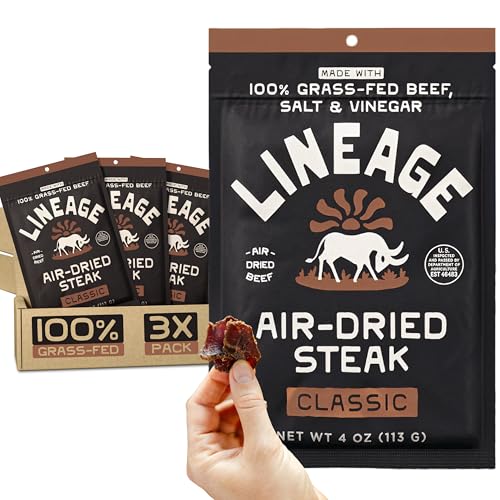
- 3-Pack of Grass Fed Air Dried Steak: Tender, protein-rich beef snack crafted from responsibly raised cattle. Thin, air d…
- Made with 3 Simple Ingredients: Beef, vinegar, and salt, crafted from grass fed beef for clean, rich flavor. A protein p…
- High Protein Air Dried Beef Snack: Each 4oz pouch delivers 64g of protein (16g per ounce) from grass fed beef, offering …