The Historical Significance of Animal Protein
Throughout history, animal protein has played a crucial role in the sustenance of human populations. Early humans, particularly those classified as hunter-gatherers, relied predominantly on animal sources for their nutritional needs. This dependence on animal protein is not merely a dietary choice but a central element that shaped our evolutionary path. Fossil evidence suggests that the introduction of meat into our diet was a significant factor in the development of larger brains, enabling the cognitive advancements that distinguish modern humans from other species.
The access to animal protein provided essential amino acids and nutrients that plant sources often lacked, making it pivotal for survival. This protein-dense food was not only energy-rich, but it also stimulated growth and repair, which were crucial for survival in the varying and often harsh environments early humans faced. Consequently, the ability to hunt and consume animal-based foods was instrumental in our ancestors’ adaptability and resilience.
As societies evolved, the reliance on animal protein persisted, transitioning from hunting to domestication and agriculture. This shift allowed for a more reliable and consistent supply of meat, dairy, and eggs, which became integral to various cultures around the world. Historical records highlight that many ancient civilizations, such as the Egyptians and Greeks, recognized the value of animal protein, incorporating it into their diets as a symbol of wealth and status.
Over millennia, human bodies have adapted to metabolize animal protein efficiently. Our physiological makeup enables us to derive maximum benefit from animal-based foods, which are rich in critical vitamins and minerals unparalleled in plant sources. Hence, the historical significance of animal protein cannot be understated; it has been a foundational aspect of our dietary practices, benefiting both physical health and cultural identity throughout human history.
Nutritional Superiority of Animal Protein
Animal protein is widely recognized for its rich and comprehensive nutritional profile, which makes it a crucial component of a balanced diet. One of the primary attributes of animal-derived protein is its completeness, as it contains all nine essential amino acids that human bodies cannot synthesize independently. These are amino acids that our body requires to function effectively, and a deficiency can lead to significant health issues.
In addition to providing essential amino acids, animal protein sources are abundant in specific nutrients such as creatine and taurine. Creatine, predominantly found in meat, plays a vital role in energy production during short bursts of high-intensity exercise, making it particularly beneficial for athletes and individuals engaged in physical training. Taurine, another valuable nutrient present in animal protein, contributes to various physiological processes, including cardiovascular function and the regulation of bile salts.
When compared to plant protein, animal sources exhibit a higher nutrient density and bioavailability. While certain plant proteins do provide beneficial nutrients, they often lack one or more essential amino acids and may contain anti-nutrients that hinder absorption. For example, legumes, a common plant protein source, frequently require combination with other protein sources to achieve a complete amino acid profile. This makes animal protein more favorable in providing sufficient amounts of essential nutrients efficiently.
The vitamins and minerals present in animal protein are also significant contributors to its nutritional superiority. Animal products are rich in B vitamins, particularly B12, which is crucial for red blood cell formation and neurological function; iron, which is more readily absorbed from animal sources than plant sources; and zinc, pivotal for immune function and enzyme reactions.
Health Benefits of Regular Meat Consumption
Regular consumption of meat is associated with several health benefits that contribute significantly to overall wellness. One of the primary advantages is its role in supporting the immune system. Meat is rich in essential nutrients such as zinc, iron, and various B vitamins, all of which play a crucial role in maintaining a healthy immune response. The presence of bioavailable nutrients in animal proteins makes them a vital component for those who seek to enhance their resistance to infections.
In addition to bolstering immunity, consuming meat can greatly enhance physical strength. Animal proteins are complete proteins, providing all nine essential amino acids necessary for muscle repair and growth. This quality is particularly important for individuals who engage in regular physical activity or those aiming to increase muscle mass. By incorporating meat into their diets, individuals can more effectively recover from strenuous workouts and improve their overall strength and performance.
Furthermore, studies have suggested that regular meat consumption may positively influence sleep quality. Meat, particularly those rich in amino acids like tryptophan, can enhance serotonin production, which in turn aids in regulating sleep patterns. Improved sleep quality contributes to better overall health, enhancing mental clarity and reducing the risk of chronic health issues.
Beyond these benefits, meat is also a source of vital energy through the calories it provides. As a dense source of nutrients, meat enriches the diet with essential fats and proteins that support bodily functions, ensuring sustained vitality throughout the day. In terms of nourishment, the diverse range of vitamins and minerals found in meat, including Vitamin B12 and selenium, further underscores its indispensable role in promoting optimal health.
In conclusion, incorporating meat into one’s diet brings forth numerous health benefits, from enhancing immune function to improving strength and vitality. Its rich nutrient profile makes it a powerful food choice, crucial for maintaining overall well-being and physiological balance.
Choosing Quality Meat and Meat Snacks
In today’s fast-paced world, it is essential to make informed choices when selecting meat and meat snacks to ensure they contribute positively to our dietary needs. One aspect to consider is the quality of the meat; opting for air-dried, grass-fed, and regenerative sources can significantly enhance nutritional benefits. These types of meat not only support sustainable farming practices but also provide a higher concentration of beneficial nutrients compared to their conventionally raised counterparts.
When choosing air-dried meat snacks, ensure they are free from preservatives and artificial ingredients. Look for products that emphasize minimal processing to maintain their integrity and nutritional value. Grass-fed meat is often richer in omega-3 fatty acids and vitamins E and A, providing distinct health benefits compared to grain-fed options. Selecting meat that is ethically sourced contributes not only to personal health but also promotes overall ecological well-being.
For individuals with busy lifestyles, the convenience of healthy snacks becomes paramount. Incorporating quality meat snacks such as jerky made from grass-fed animals or biltong can serve as excellent protein-rich options that align with a nutritious diet. These snacks are portable and can be easily integrated into daily routines, whether as a quick lunch addition or a mid-afternoon energy boost.
Moreover, focusing on nutrient-dense meats does not mean sacrificing taste or convenience. With a variety of flavors and seasonings available, it is possible to find meat snacks that satisfy cravings while still adhering to quality standards. By prioritizing nutritional value and sourcing practices, individuals can enjoy the best of both worlds—delicious, heart-healthy snacks that support their overall dietary goals.
Here are our picks we talked about, Try it out and see it for yourself
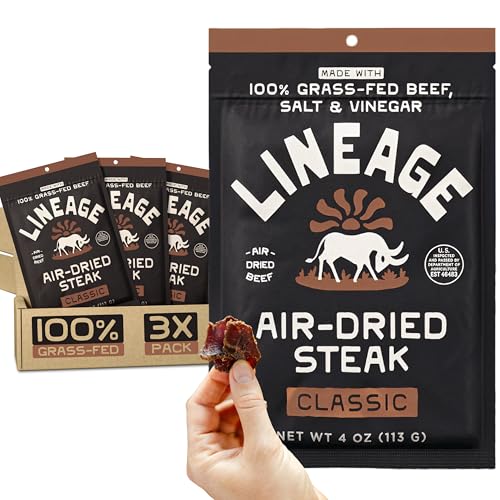
- 3-Pack of Grass Fed Air Dried Steak: Tender, protein-rich beef snack crafted from responsibly raised cattle. Thin, air d…
- Made with 3 Simple Ingredients: Beef, vinegar, and salt, crafted from grass fed beef for clean, rich flavor. A protein p…
- High Protein Air Dried Beef Snack: Each 4oz pouch delivers 64g of protein (16g per ounce) from grass fed beef, offering …
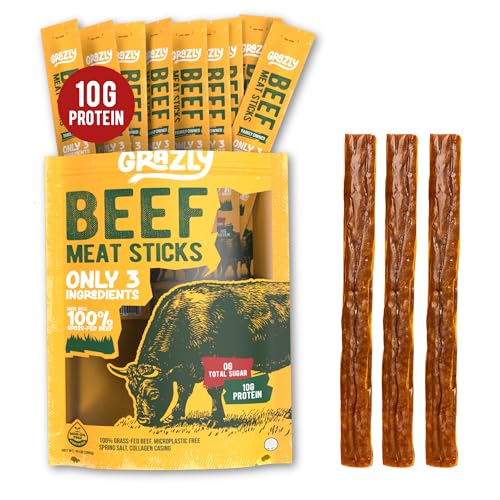
- GRAZLY BEEF MEAT STICKS: Grazly Beef Meat Sticks are made with premium grass-fed beef, providing a natural and flavorful…
- MADE WITH 3 SIMPLE INGREDIENTS: Grazly Beef Meat Sticks are crafted with only 3 simple ingredients: grass-fed beef, micr…
- NUTRIENT DENSE SNACK: These beef sticks are made with grass-fed beef, which provides key nutrients that support an activ…